COMMUTER CONNECTIVITY - WHY IT IS ESSENTIAL AND NOT A PERK?

Introduction:
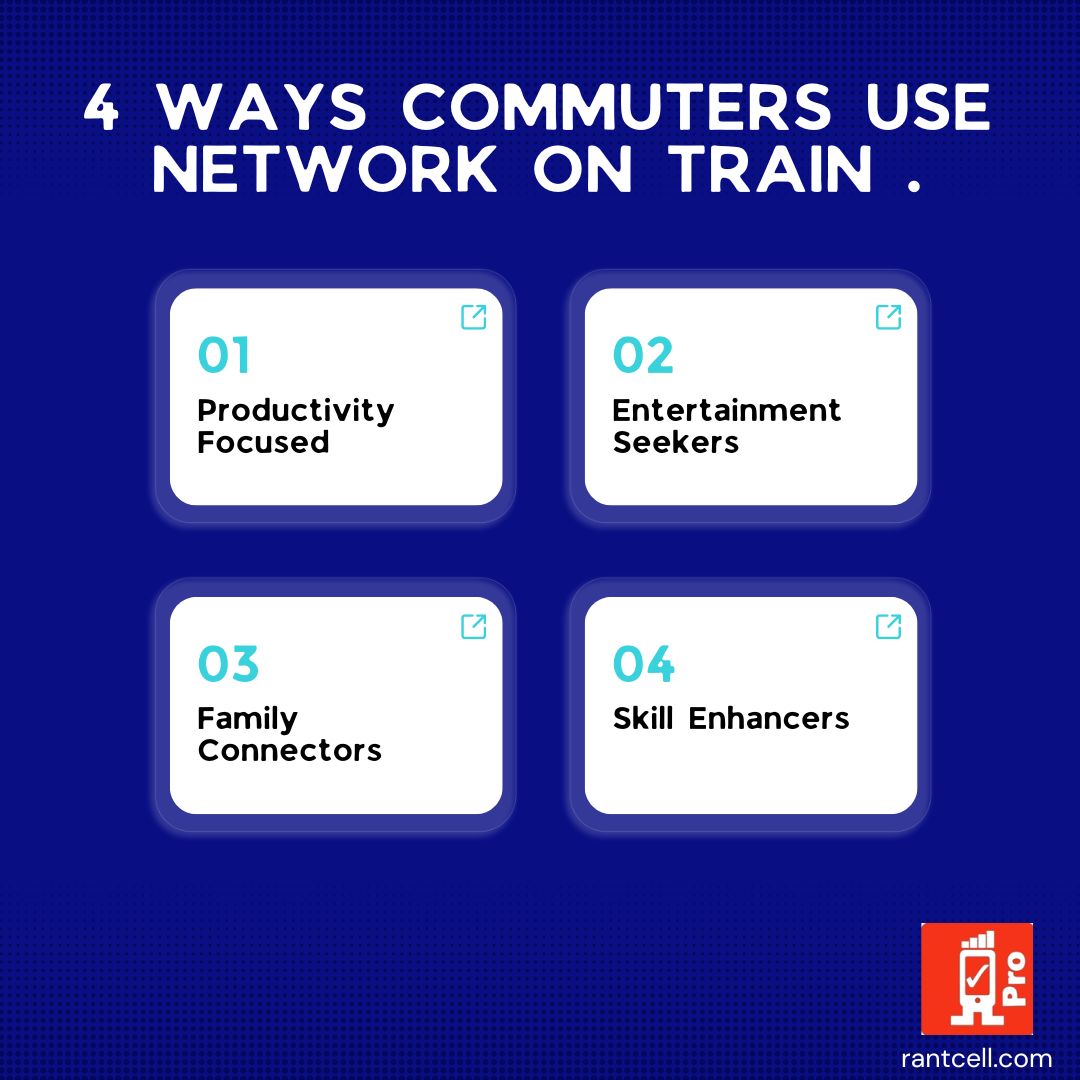
Imagine this: You're one of the many commuters in a bustling city, embarking on your daily 45-minute metro ride. For 80% of us, this time is ideal for:
-
Focusing on productivity
-
Seeking entertainment
-
Connecting with family and friends
-
Enhancing skills through media content
Why should this matter to network operators and metro operators?
This should matter to network operators and metro operators because reliable and robust network connectivity can significantly enhance the commuting experience, leading to higher customer satisfaction. When commuters can stay productive, entertained, connected with loved ones, or learn new skills during their ride, it increases their overall satisfaction with the service.
For network operators, providing consistent, high-quality connectivity can drive customer loyalty and attract more users to their services. It also opens opportunities for additional revenue streams through partnerships and advertisements.
For train operators, ensuring seamless connectivity can make their service more attractive compared to other modes of transportation, potentially increasing ridership. Moreover, happy and engaged commuters are more likely to become repeat customers and advocates for the service, leading to positive word-of-mouth and an enhanced reputation.
Productivity During Commute: Why Connectivity in Metro is So Important
The metro has emerged as the "third place" after home and office, where connectivity is indispensable. With an average of 200 working days in a year, each 45-minute trip becomes precious time for commuters to stay connected. Yet, without reliable service, they're left stranded, unable to perform essential tasks.
An average commuter uses the metro about 150 days (about 5 months) a year, with each trip lasting around 45 minutes one way. This equates to 18 to 19 working days, nearly aligning with the number of paid holidays allowed by most companies.
Imagine how frustrating it is to waste this valuable time being unproductive and missing opportunities to free up family time.
Commuter Entertainment But what happens when the connectivity drops? You're left staring at a buffering screen, missing crucial updates, and losing precious relaxation time. It's a scenario all too familiar to metro riders, turning what should be a seamless experience into a daily frustration. This will stop the commuters from unwinding, which is important from a mental health standpoint.
Family and Friends: The Importance of Connectivity
The frustration goes beyond missed updates; it's about being cut off from family during emergencies, missing urgent work communications, and feeling disconnected from the digital world. Social media apps like WhatsApp, Telegram, and Instagram are crucial for letting others know your location during your commute. When you can't connect, it affects not only your social interactions but also your safety. Reliable connectivity ensures you stay in touch and safe.
Learning Hindrance with Connectivity
Connectivity issues during commutes can significantly hinder this valuable opportunity for personal and professional growth. Here’s why it matters:
Online Self-Test Exams
For those preparing for exams or certifications, commute time can be an ideal moment to take online self-tests. Connectivity issues can cause delays or interruptions, preventing users from completing tests or receiving immediate feedback, which is crucial for effective learning and preparation.
Video Content
Educational videos are another popular choice for commuters. These videos range from tutorial videos to lectures from online courses. Buffering and loading issues due to poor connectivity can make watching these videos frustrating and inefficient, reducing the potential learning outcomes.
Audio Books
Many commuters use their travel time to listen to audiobooks, enriching their knowledge and expanding their horizons. Without a stable connection, streaming audiobooks becomes problematic, disrupting the flow of learning and reducing the effectiveness of this time.
Why Does This Matter So Much?
The time spent commuting is often one of the few opportunities busy professionals and students must engage in self-improvement activities. Reliable connectivity transforms commute time into productive learning sessions, enabling continuous education without compromising other responsibilities.
Moreover, the ability to learn on the go is a significant stress reliever. It helps in balancing work, life, and education more efficiently, contributing to overall well-being and job satisfaction. When connectivity fails, it not only wastes precious time but also adds to the frustration of missed learning opportunities, making it harder to achieve personal and professional goals.
Ensuring reliable connectivity during commutes is essential for fostering a culture of continuous learning and self-improvement, ultimately leading to a more knowledgeable and skilled workforce.
Why above commuter scenarios are to be considered by network operators?
Network operators should prioritize these commuter scenarios because they directly impact customer satisfaction, enhance competitive advantage, and drive increased data usage and revenue. Reliable connectivity during commutes ensures that customers can stay productive, entertained, and connected, leading to higher customer loyalty and positive word-of-mouth.
Additionally, seamless connectivity supports safety and security by enabling quick communication during emergencies. As urban areas evolve into smart cities, robust connectivity becomes a critical component of digital infrastructure, contributing to the efficiency and quality of life for residents. By addressing these needs, network operators not only improve the commuter experience but also support broader smart city initiatives and secure their market position.
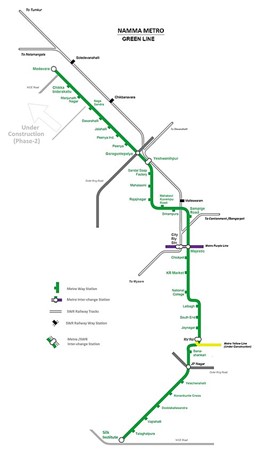
What did we do next ? We conducted high-density testing on a commuter line during a busy weekday, evaluating the performance of four network providers: Airtel, Jio, BSNL, and Vodafone Idea. Our journey began at Nagasandra Station, where we initiated the test. Over the course of more than 50 minutes, we travelled to Silk Institute Station, where we concluded the initial test. We then repeated the test on the return trip from Silk Institute Station back to Nagasandra Station.
Network Coverage Analysis from Nagasandra to Silk Institute:
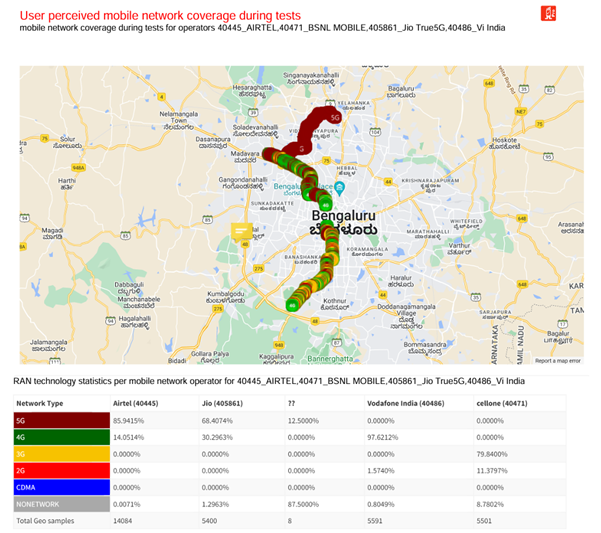
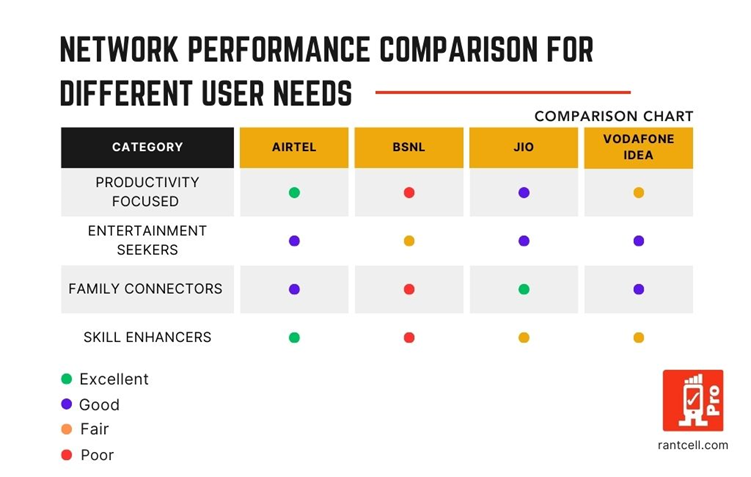
The above report outlines the operator's performance against the required criteria. Here's what our analysis reveals:
AIRTEL
-
Productivity Focused: Strong coverage and high, stable signal strength ensure reliable connections for work-related tasks.
-
Entertainment Seekers: Consistently fast data speeds enable smooth browsing and streaming during peak hours.
-
Family Connectors: Reliable performance for voice services with minimal call drops, ensuring you stay connected with loved ones.
-
Skill Enhancers: High-speed data supports uninterrupted access to educational and professional development content.
JIO
-
Productivity Focused: Extensive coverage, including underground sections, supports seamless work connectivity.
-
Entertainment Seekers: High-speed data allows for HD video streaming and fast downloads/uploads.
-
Family Connectors: Strong signal strength ensures robust connectivity for VoLTE calls.
-
Skill Enhancers: Excellent data performance facilitates continuous learning and skill enhancement activities.
VODAFONE IDEA
-
Productivity Focused: Good coverage with some weak spots in tunnels; generally reliable for work tasks.
-
Entertainment Seekers: Moderate to high data speeds, sufficient for streaming and browsing, though it may slow during congestion.
-
Family Connectors: Variable signal strength with some call drops in congested areas.
-
Skill Enhancers: Adequate data speeds for accessing online learning resources, albeit with occasional slowdowns.
BSNL
-
Productivity Focused: Limited coverage and weak signal strength can hinder work-related connectivity, especially in tunnels.
-
Entertainment Seekers: Slower data speeds often insufficient for seamless streaming.
-
Family Connectors: Frequent call drops, and inconsistent data connectivity affect staying in touch with family.
-
Skill Enhancers: Inconsistent performance and slower data speeds make continuous learning challenging.
Conclusion: A Final Take for Modern Commuters
It vital to accept the fact that having reliable 4G/5G connectivity during commutes is no longer a luxury but an absolute necessity. For commuters, travel time should be productive, whether they're handling work tasks, staying connected with family and friends, or simply seeking entertainment.
Network providers that consistently fail to deliver reliable service on commuter lines risk losing subscribers. Commuters will inevitably switch to providers who can offer the stable, high-speed connections they need to stay productive and connected.
Ignoring the critical importance of reliable connectivity means risking subscriber dissatisfaction and eventual loss. This is particularly relevant given the sheer number of people who rely on subway systems daily. In cities worldwide, especially in densely populated areas like London with its iconic Underground, millions of commuters depend on strong network performance to maintain their productivity and connectivity.
In summary, ensuring robust network connectivity on commuter lines is not just about enhancing customer satisfaction—it's about meeting a fundamental need. Providers must prioritize this to retain loyalty and thrive in a competitive market. Reliable connectivity during commutes is essential for modern life.