-
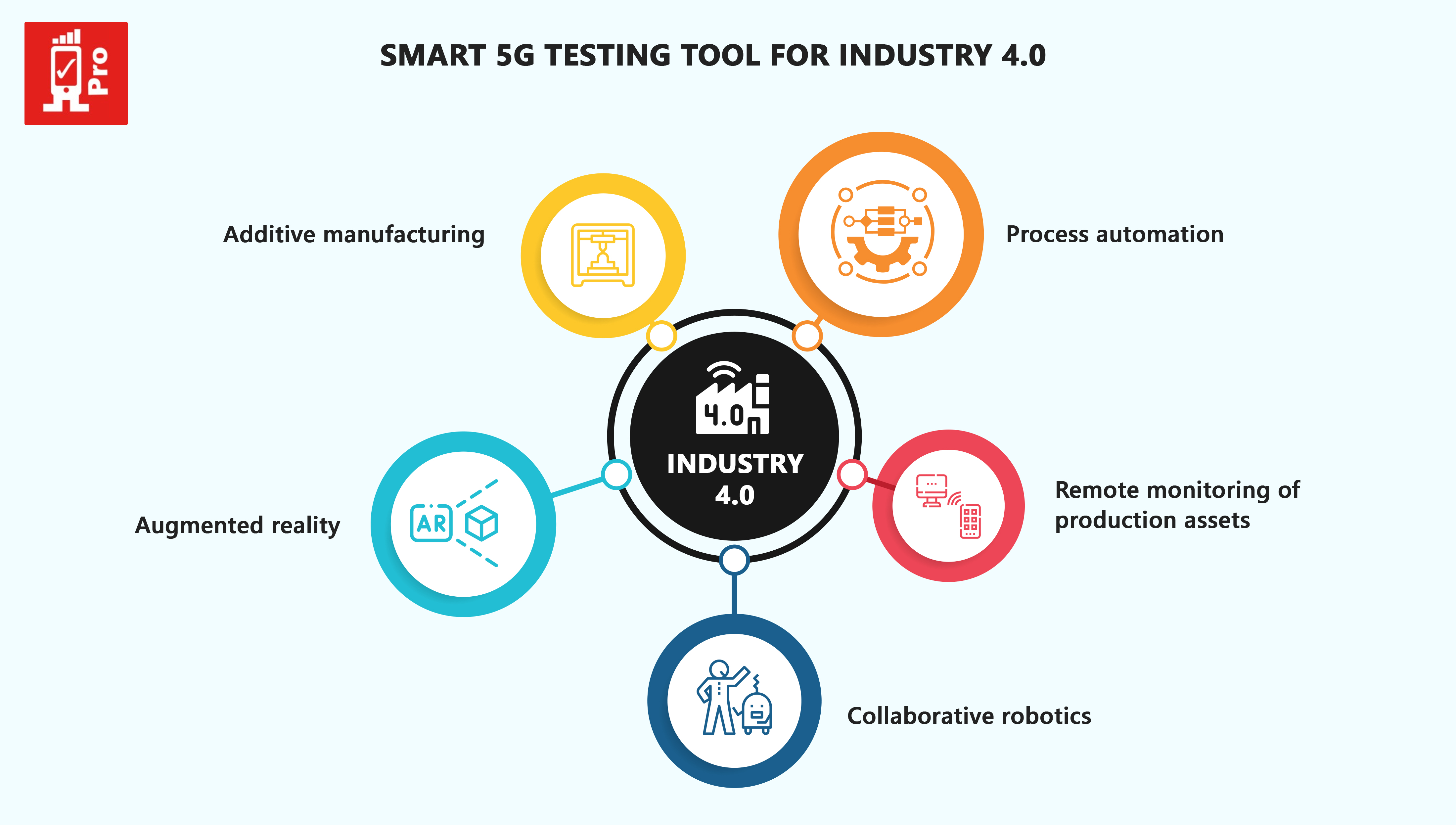
Smart 5G testing tool for Industry 4.0
5G is the fifth generation (fastest, most robust technology) network that will provide higher speed, lower latency, and greater capacity compared to 4G LTE networks. Industry 4.0, or the fourth industrial revolution is the integration of smart digital technology and emphasizes automation, machine learning, and real-time data.read more...
-
Can Dynamic Spectrum Sharing Enable Smooth Transitioning to 5G NR?
Dynamic Spectrum Sharing (DSS) is an exemplary achievement in the technological field. It is a new antenna technology which is going to enable use of LTE and 5G simultaneously in the same frequency band read more...
-
Private 5G cellular network and Wi-Fi 6: Can these technologies satiate enterprises’ demand for wireless connectivity?
Private 5G, the new wireless standard is a one-of-a-kind network that promises to deliver 50x more speed, 1000x more capacity, and 10x less latency. With this, more enterprise devices that can be connected will transmit more data which was not possible in previous networks. Moreover, the transmission rate will be much faster with top-notch connectivity and deliver extraordinary user experiences. Though the 5G rollout schedule was slowed down due to the COVID-19 outbreak read more...
-
Heritage Tourism in the Digital Era: Deploying 5G & new-age technologies to draw in tourists and rebuild new memories
The growth of the travel and tourism market is evident from the fact that it garnered $8.9 trillion as the global GDP in 2019 which is around 10.3% of the total GDP. Though in 2020, it experienced a steep decrease in the wake of COVID-19 global pandemic, the market is expected to rise again and surpass the previous $8.9 trillion mark by 2026, increasing at more than 3.1% estimated CAGR from 2021 to 2026 read more...

-
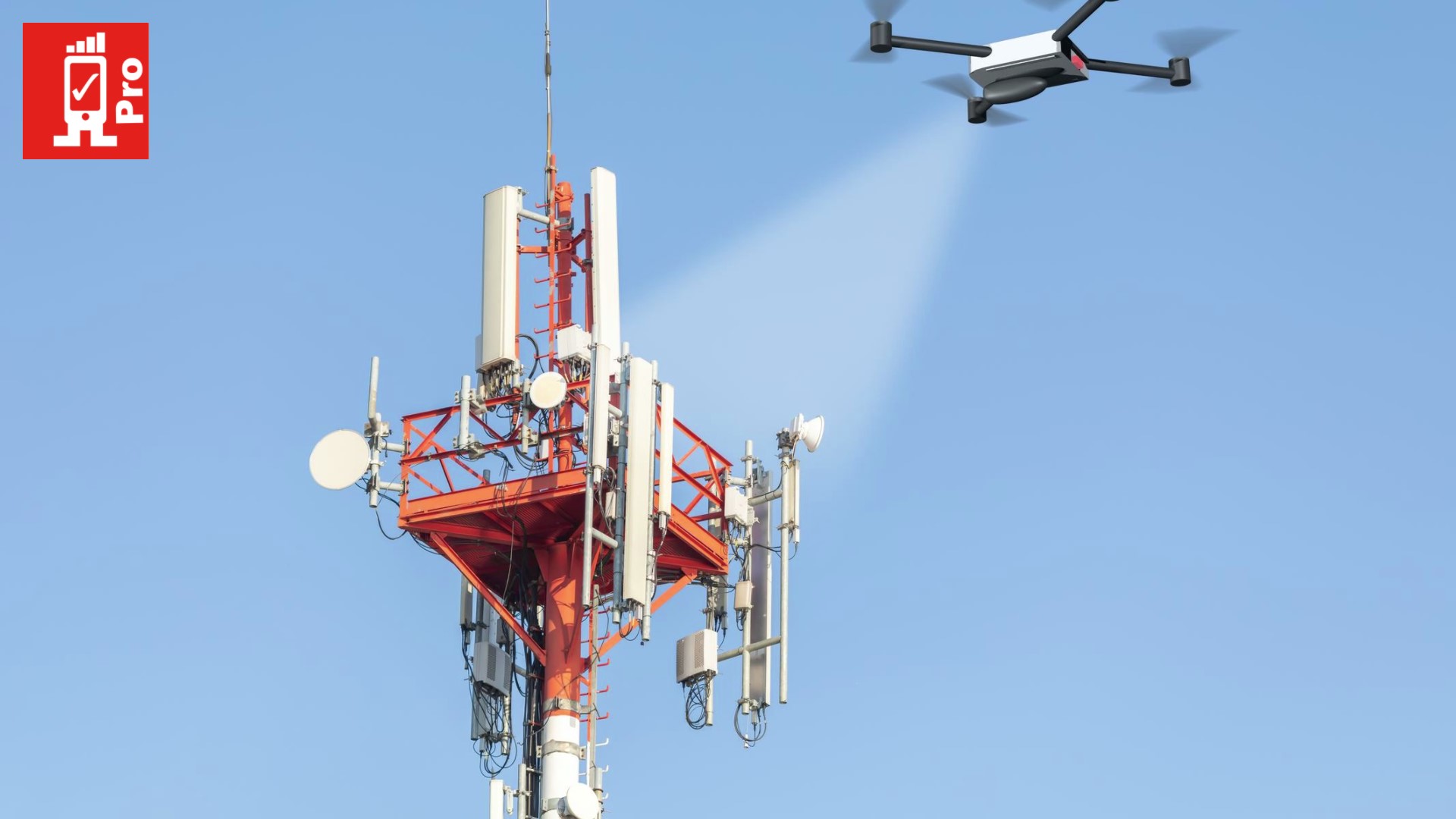
Drones in Telecom: Can drones perform mobile network testing?
We have all heard about the package delivery drones being used to pick up from the warehouse and delivering it at the doorstep. Mostly drones got traction during COVID-19 last year to combat the deadly disease and assure contactless transportation of medical supplies or food, aerial spraying of public areas to disinfect contaminated regions, picking up lab samples. The use cases for 5G and drones are continuously expanding and providing benefits to every sector read more...
-
Artificial Intelligence for 5G Network Operations
AI is upgrading 5G technology – in the network and on devices both. AI for 5G network operations is nothing but the application of AI in 5G wireless network and devices to allow seamless and efficient wireless communications and give new amazing experiences. There are several challenges in implementing wireless technology that is difficult to solve with legacy methods and can be solved with the utilization of powerful tool like AI. read more...

-
5G and AI: The powerful combination can bring a new generation of applications
5G technology comes with increased bandwidth and low latency which enables a wide variety of applications and new business models. Emerging technologies in cloud-assisted gaming, Augmented Reality (AR) and Virtual Reality (VR), remote surgery, image processing, real-time language translation, connected drones all require highly resilient and seamless network connectivity to perform. Adding to it, read more...

-
Want to build a private 5G network? - Here are few things you need to know
Private 5G network nowadays is gaining traction in industries like manufacturing, mining, education, healthcare unlike previously where this one-of-a-kind network was reserved only for government, military and emergency organizations. But things have altered significantly with the evolution of 5G wireless networks and the capabilities it possesses to bring a new way of wireless communication across organizations serving their critical needs in a much more efficient and secured way. read more...
-
5G Monitoring: What are new Challenges and Opportunities?
Mobile operators are focusing on 5G deployment on a rapid scale and are expected to spread 5G services to a wider geographical area by 2025. With a variety of use cases to support different industries and consumers, 5G will usher into a new era of applications and will come along with lots of 5G challenges and opportunities. Such applications and use cases range from connected cars to smart cities/homes, remote drones to robots, read more...

-
5G ROI: Other than eMBB, five promising verticals with real examples to reap benefits for MNOs
The invention of 5G technology has given Mobile Network Operators (MNOs) new opportunities to deliver faster and more responsive network experiences to enterprise customers and common users. However, it is important to understand the importance of why do we need 5G and what are the key benefits of 5G network which is more than just faster speed and reliable network fueling its implementation across the globe. MNOs are articulating 5G-enabled solutions specific to industry verticals looking for adoption of 5G technology to improve their efficiency and lead them towards business growth. Such a 5G revolution has caused a hype all around which necessitates MNOs to be mindful and leverage 5G future business models for monetization to grow and tap on the full potential of 5G to reap Return on Investments (ROI). Juniper Research conducted a study that estimates to increase in operator billed revenue from 5G connections to stand at $357 billion by 2025 which is a huge increase from just $5 billion in 2020, which is considered as the pilot year of commercial 5G service read more...

-
What is 6G? How is it different from 5G?
5G – the fifth-generation network is barely commercialised with only few places enjoying its unparalleled benefits and researchers have taken a step forward to research on the upcoming wireless technology. Still in the research phase, it is being addressed as 6G following the tradition from previous networks and keep it as simple for now. According to Mahyar Shirvanimoghaddam, a wireless communications expert at the University of Sydney, 6G network is capable of delivering speed of 1 terabyte/second or 8,000 gigabits/second read more...

-
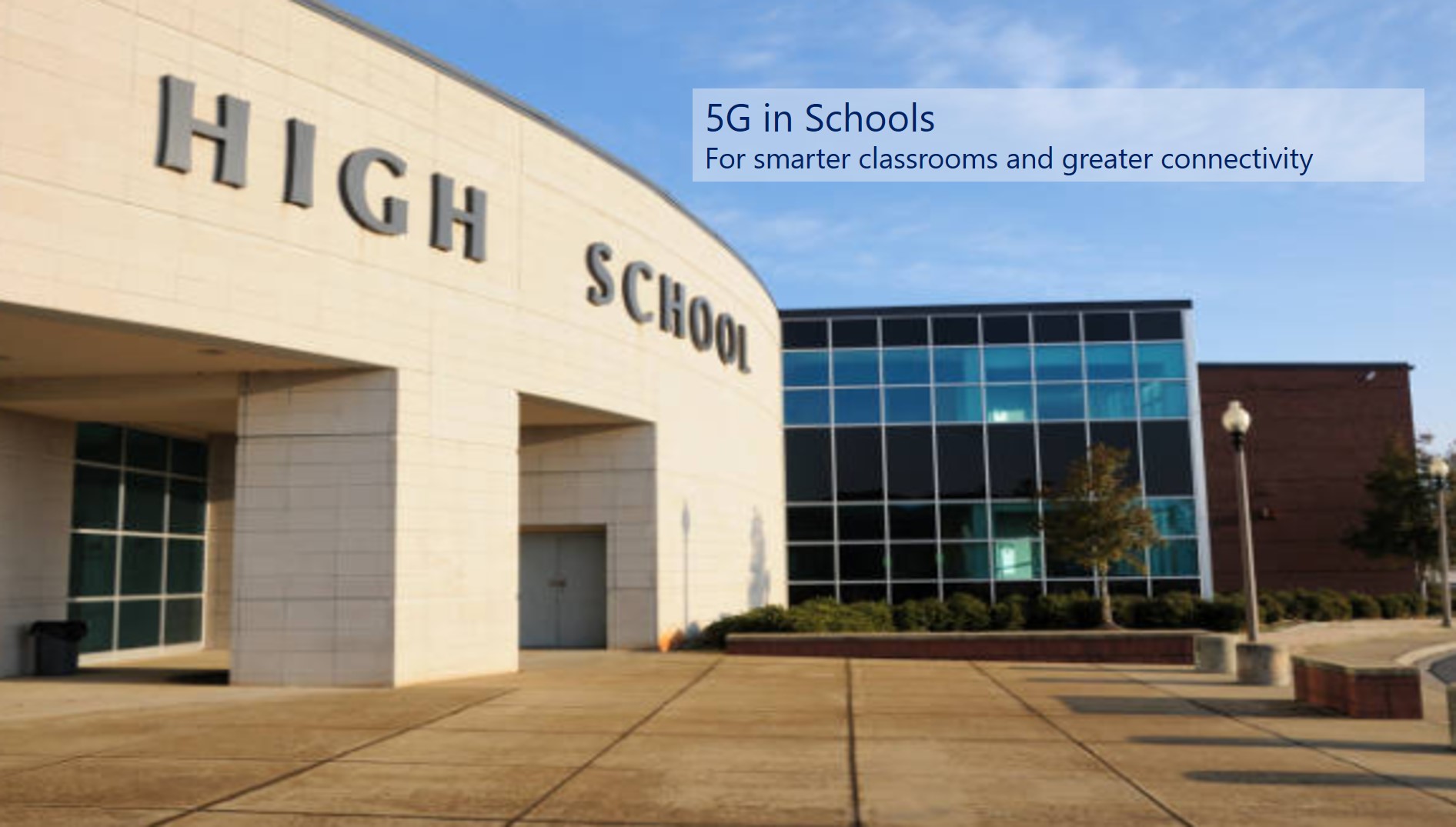
5G in schools. For smarter classrooms and greater connectivity
The uncertain COVID-19 outbreak escalated the demand for wireless network connectivity in schools as the crisis compelled all the students to be locked in homes. How can we maximize learning time? This is what became the matter of concern for educators most of the time and started looking for multiple ways to impart education to their students for a longer duration read more...
-
What is VoNR, ViNR? Why it's so important for MNOs' 5G networks?
5G networks, specifically NSAs being deployed across the globe by many Mobile Network Operators (MNOs) to benefit from low latency and high data throughputs but what are the next big features in 5G? Next prominent features that we can expect in 5G SA are Voice over New Radio (VoNR) and Video Over New Radio (ViNR), which have become the spotlight among MNOs to facilitate calling and video services to their customers with the utilization of fifth-generation network read more...

-
6 predictions for open ran in 2021
Open RAN gained its momentum in 2020 as industry leaders turn on this concept to progress with network deployments of the fifth-generation technology, i.e., 5G. The inception of Open RAN Alliance accelerated the adoption of O-RAN while continuing on the creation of specifications for RAN deployments in near future.In the wake of Open Radio Access Network (Open RAN) deployments, telco players such as Telefonica S.A, Orange S.A., Vodafone PLC and Deutsche Telekom AG are collaborating together to fasten and support Open RAN rollout which is being considered as an ideal choice for future mobile networks and be beneficial for consumers as well as enterprise customers across Europe read more...

-
Announcement of CBRS band (US) accelerates development of LTE/5G private networks
Wireless’ is not just a term nowadays, instead it is a necessity to sustain in this modern world as everything is going digital. Some organizations are considering it as the ‘fourth utility’ resource after power, water and Internet connections. However, it is challenging for MNOs to deliver best connectivity access via public LTE and Wi-Fi in scenarios. read more...

-
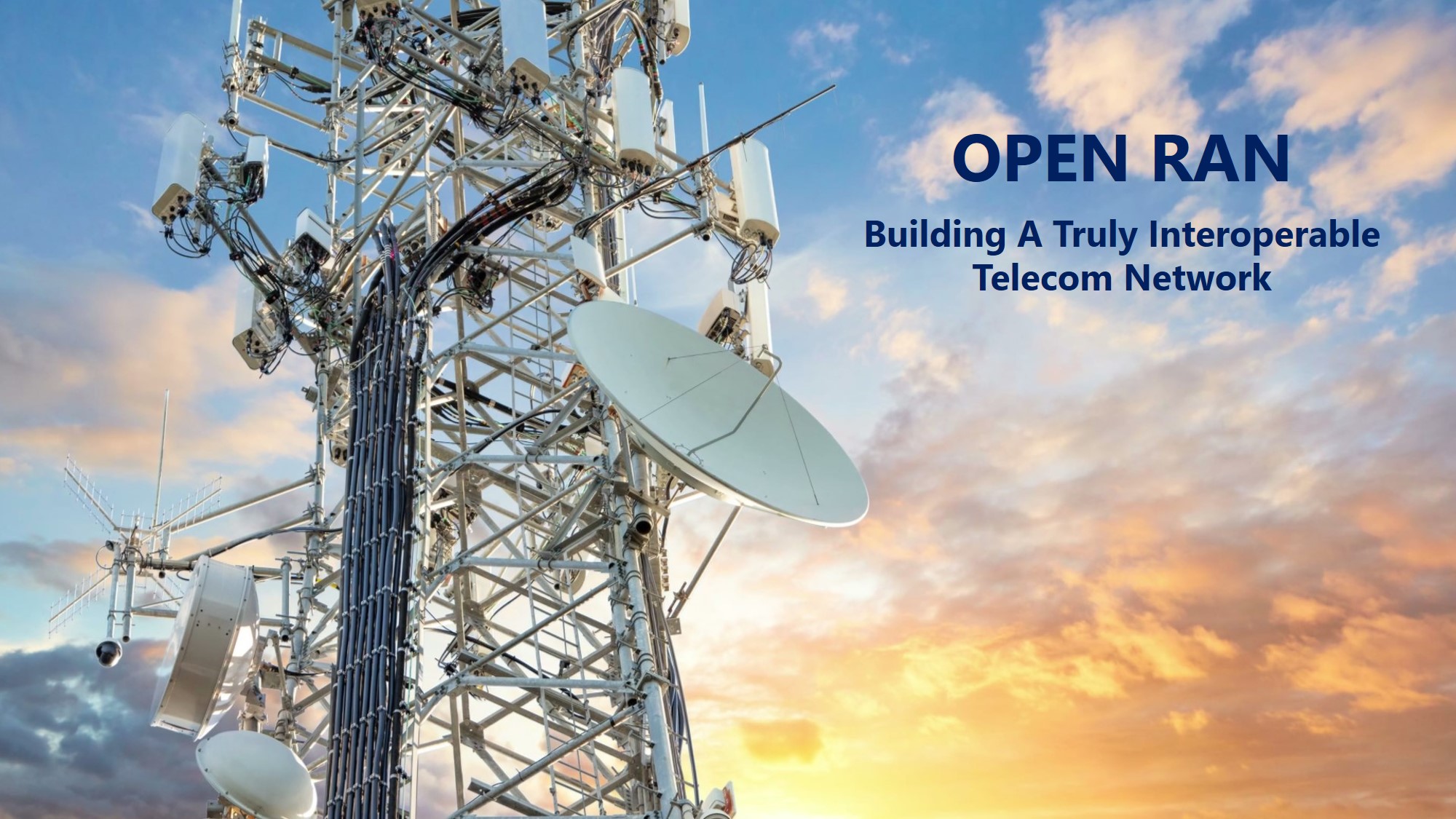
Open RAN trials are on raise among CSPs, is this technology just a hype?
Open RAN is a new term gaining quite popularity in the telecom industry for quite some time now. But what it is actually? And, how is it different from the traditional network, for example 4G cell tower? It is nothing but a virtualized RAN which is generally being adopted by Mobile Network Operators (MNOs) to replace legacy, single vendor RAN solutions and build scalable and stable 5G architectures. read more...
-
Exploring 5G new use cases: 5G antennas and 5G mmwave usher a new era of connectivity
Though the pandemic has created several changes in the way we do business with shift in workspace from corporate areas to small residential areas, it has opened numerous opportunities requiring high-speed Internet connectivity for employee engagement and business operations without interruption. Moreover, the rising data traffic due to interconnected devices present at home, businesses, etc. has presented extra demand for high bandwidth. Due to this, read more...
-
Can DevOps create more agile and smarter 5G networks for the Telecom Industry?
DevOps meaning is a fusion of two different words “development” and “operations” blended into one word. A practice implemented in software engineering that unifies software development (Dev) and software operations (Ops). The prime characteristic of such a movement known as DevOps is to advocate automation and monitoring at every phase of software creation, from integration, testing, releasing to deployment and management of infrastructure. It aims to shorten development cycles, increase the frequency of deployment, enhance dependable releases in accordance with business objectives and has been quite popular in IT industry since past few years, read more...

-
Demand for 5G Testing Equipment on the Rise: Market and forecast
The COVID-19 pandemic has exploded load on networks due to rise in demand for good network connectivity. Industries like healthcare, BFSI (Banking, financial services and insurance) required high-bandwidth connections to keep their work going seamlessly without interruption in this time of crisis. Further, it created the need for expansion of network coverage to outskirts as most of the employees were shifted to residential areas due to work from home norms read more...
-
How can automation reduce efforts in Radio Network optimization?
We are in the new era of telecommunications networks that covers provisioning of network services, its architecture, engineering and operations, while being upheld by other disparate requirements including increased service quality, flexibility in services to the need to reduce Capital Expenditure (CAPEX) and Operational Expenditure (OPEX). Telecommunications service providers have to struggle with massive volumes of operational processes like managing data, controlling costs read more...

-
New ways to build QoE data for Telecom Regulators
RantCell Crowdmetrix solution is a cloud-based crowdsourcing mobile platform that allows regulators to upgrade their supervision & monitoring capabilities and less reliance on operator data. A measuring app that can be installed on smart phones of end users’ or staff to collect QoE of mobile network from devices and assess the network coverage map and quality of service while maintaining the user’s privacy, read more...

-
10 Crucial 5G Network Deployment Challenges
A new era of 5G has begun and telecom operators are accelerating 5G network deployment. We are in the 21st century where we have seen inception of several technologies serving multiple sectors from healthcare to transport, manufacturing to automotive with many business cases to bring innovation in the entire ecosystem and make our lives easier, read more...

-
Do autonomous vehicles need 5G connection, here is our analysis?
Autonomous Vehicles (AVs) have their own smart onboard sensors. Cameras, radars and lidars for navigating on roads, with technological advancements and some trials it appears with their onboard technology it should be enough for AVs to drive from point A to point B safely, read more...

-
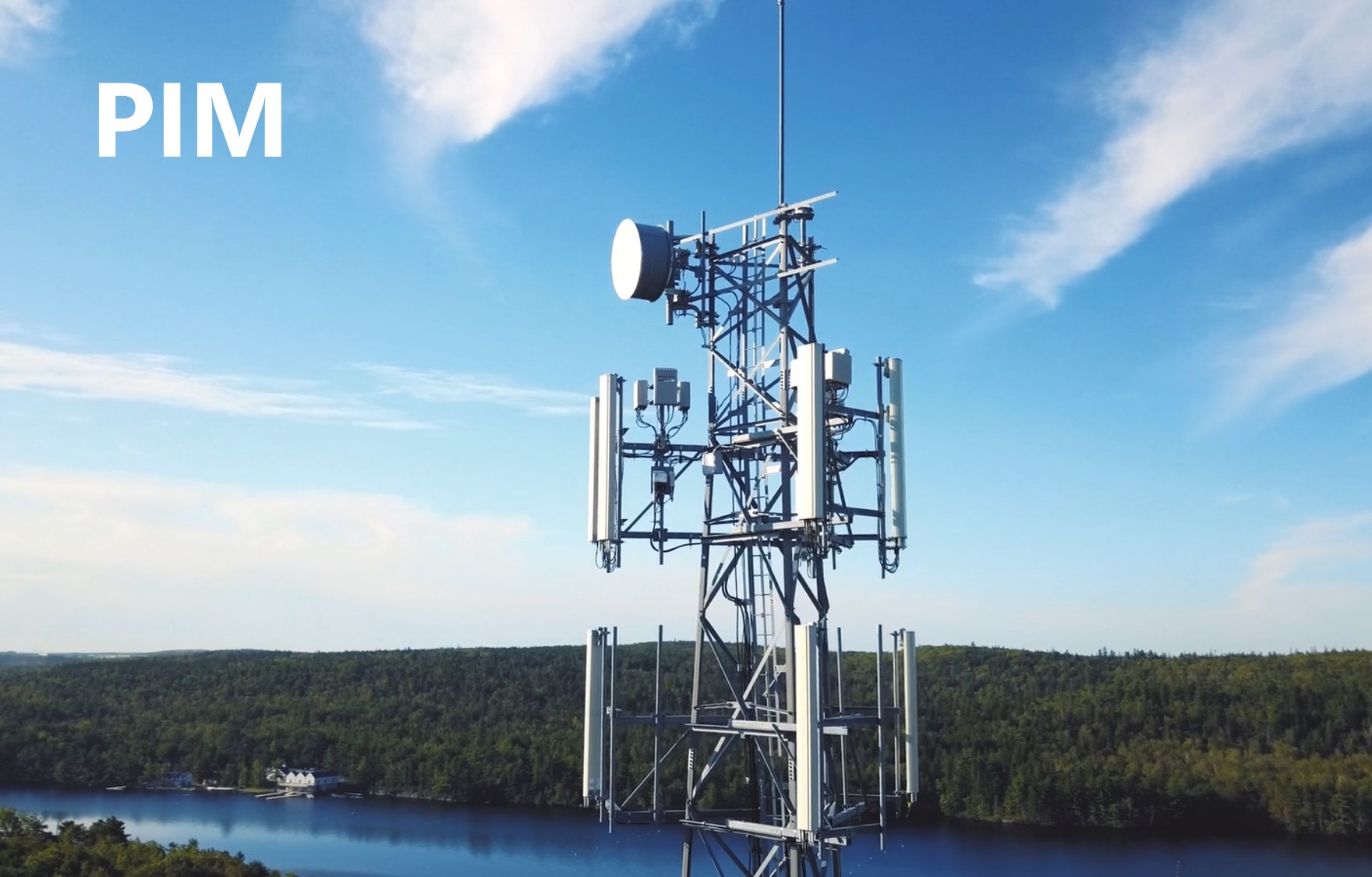
What is Passive Interference Module (PIM) on 5G network and how can it impact user experience?
Passive Intermodulation (PIM) is a growing concern among mobile network operators looking for maximizing their network’s capacity, data rate, reliability and Return on Investment (ROI) with the deployment of 5G wireless networks, read more...
-
Outside the box policies undertaken by telecom regulators around the world during COVID-19 pandemic
COVID-19 pandemic has definitely brought unprecedented changes in almost every sector, telecommunication being the most disrupted one. During this catastrophic situation, telecom regulators, read more...

-
Telecom operators reimagining 5G network UK infrastructure with network swapping amid Huawei wind down decision
Ever since the announcement of closing down business partnerships with Huawei, the biggest concern aroused amid such tension is the removal of 5G equipment in a shorter time interval across UK networks and when will 5G be available in UK on a large scale, read more...
-
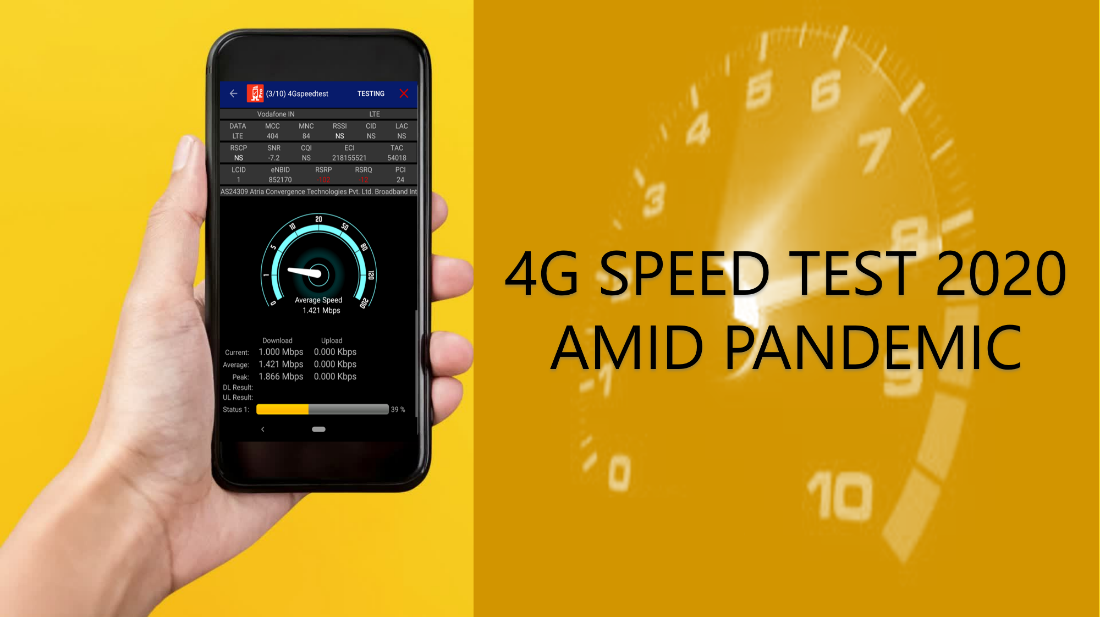
How to perform a 4G speed test effectively in 2020 amid this ongoing pandemic?
As the world stepped into the new year of 2020, the origination of novel coronavirus created a havoc in the entire ecosystem and has been voraciously spreading around the world, read more...
-
Challenges faced by Network Carriers amidst COVID-19 pandemic and lockdowns across the globe
In the United Kingdom, since the day after the British prime minister announced people to avoid workspaces so people have been trying remotely working from their homes. The very, read more...

-
Why do we need a signal booster how to determine the best one?
We all deal with weak signal, dropped calls, and slow internet speeds in our daily lives. It can be at your homes, offices, shopping malls, and other commercial places,Read more...

-
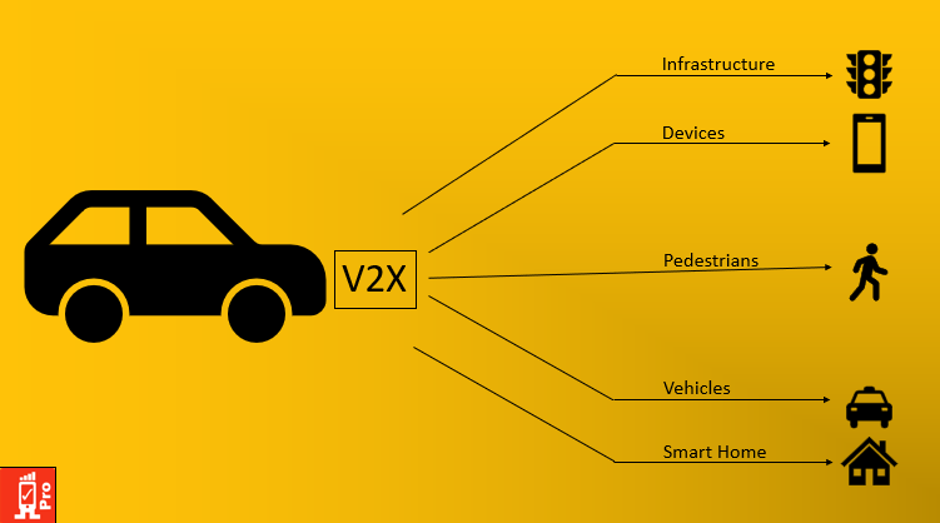
Use cases for V2X (Vehicle to everything) are as below
Autonomous cars not only know what is going on within their own systems but also have increasing awareness to see through the obstacles around corners and beyond to make decisions. By using V2I technology (Vehicle to infrastructure),Read more...
-
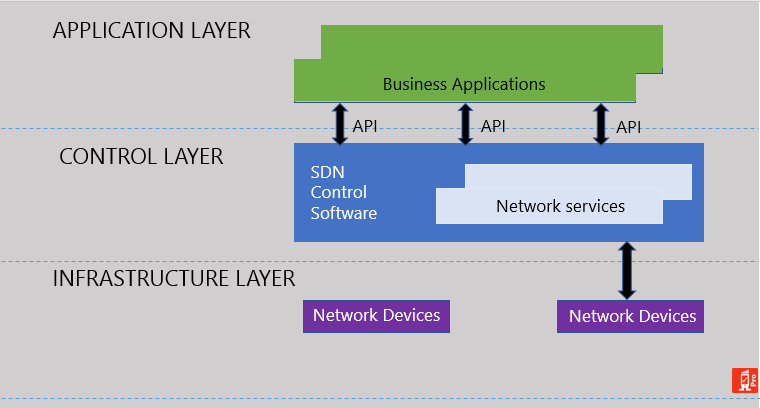
Why should operators use SDN and NFV, How does this improve end user experience and Why is this a must have for 5G?
LTE Quality of service has been critical for the deployment of 4G based services. There are users who want to its basic services such as voice calls, banking transaction, etc, and there are users who wants to avail the premium services such as high-speed internet downloads and streaming services.
By deploying NFV and SDN, the network operators are not supposed to use high cost proprietary hardware to provide chain of network. Also, cost reduction is very much important when we keep moving from one generation to another generation of technology advancement which utilizes minimum network bandwidth and boost latency.Read more...
-
What is network slicing and how it will be a key technology for 5G?
Mobile operators and telecommunications vendors are preparing themselves for the arrival and the extensive adoption of commercial 5G networks all around the world. 5G networks are designed with the intention to be extremely flexible and highly programmable for end-to-end connect-and-compute infrastructures that are service-aware and application-aware, as well as being time-, location-, and context-aware. 5G networks present a revolution over last generation 4G networks in terms of capacity, performance, and spectrum-access in radio networks.Read more...

-
What is the significance of drive test in telecom and drive test analysis?
Assessing Quality of Experience (QoE) of 3G, 4G, and 5G mobile networks in a specific area by measuring throughput, network coverage, bandwidth, is of paramount importance to ensure high user quality experience on network. Drive testing captures accurate real-word data of the RF environment when placed under certain set of environmental and network conditions. New-age modern network simulation techniques made it possible for network engineers to create mathematical model to evaluate network performance. Though it is true to some extent, drive test in telecom still remains Read more...

-
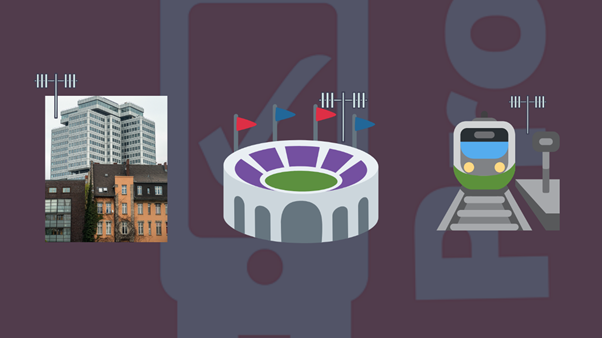
Do you receive a lot of complaints from your Distributed antenna system deployments regarding the end user experience, does your system monitor QoE on DAS 24/7?
Does your business provide coverage to multi storey building, large shopping complex, or Indoor coverage to enterprises in many locations around the country?
DAS that uses an off-air signal utilizes a donor antenna on the roof to receive and transmit the signal from cell carriers. However, such DAS systems do not have ability to monitor end user experience KPIs for voice and data service. Such degradation scenarios go un-noticed resulting in customer dissatisfaction Read more...
-
WHAT IS 5G? EVERYTHING YOU NEED TO KNOW ABOUT 5G TECHNOLOGY
The transition between 1G, 2G, 3G, and 4G was very well received by the consumers. The difference each transition made in the speed was palpable. With the eagerly awaited emergence of 5G, the world of wireless broadband is on the cusp of another revolutionary period.
The 5G technology has been in the making for nearly a decade. 5G technology is not only expected to elevate the interconnection between people but also interconnect and control machines, objects and devices Read more...

-
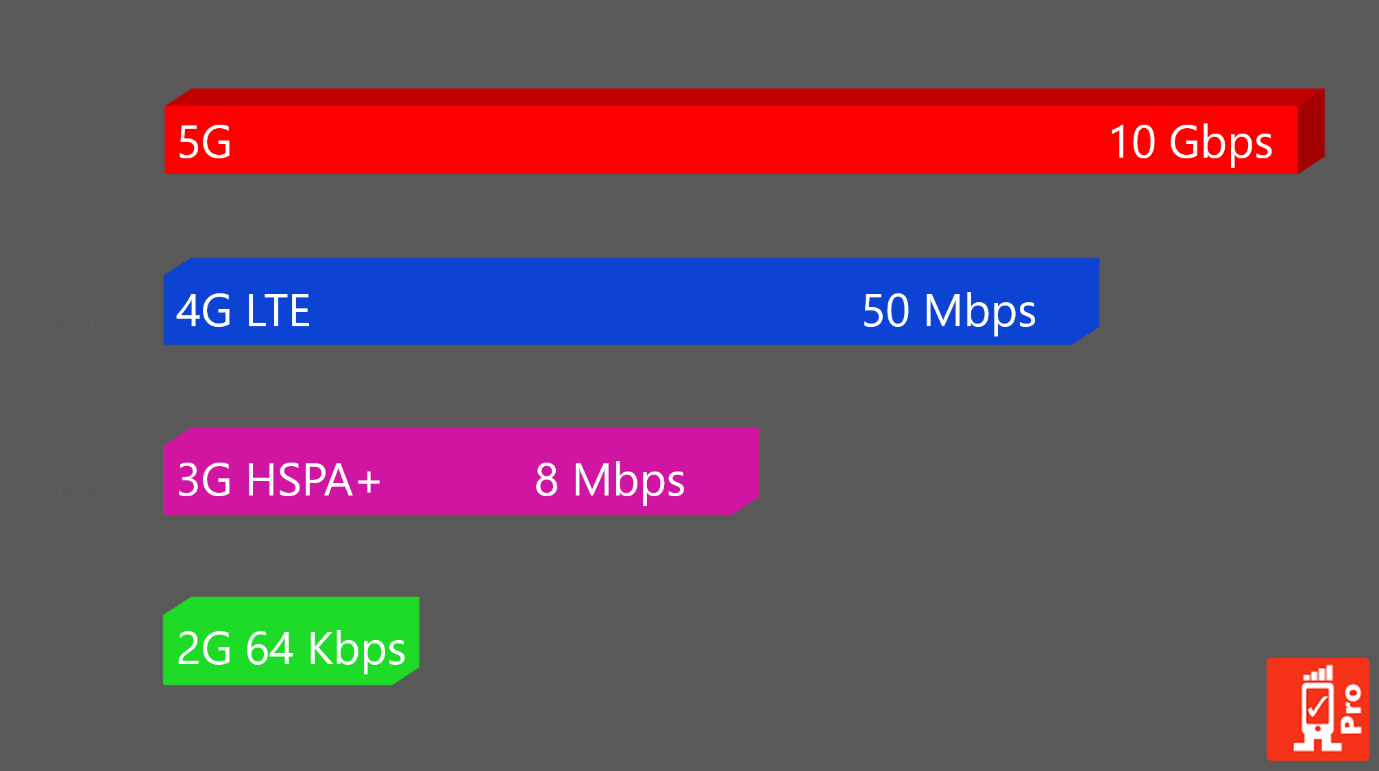
What are the differences between 2G, 3G, 4G LTE, and 5G networks?
Simply, the "G" stands for "GENERATION". While connected to the internet, the speed of the connection depends upon the signal strength that is shown in abbreviations like 2G, 3G, and 4G, etc. on any mobile device. Each generation of wireless broadband is defined as a set of telephone network standards that describe the technological implementation of the system.
The aim of wireless communication is to provide high quality, reliable communication just like wired communication and each new generation represents a big leap in that direction. Mobile communication has become more popular in the last few years due to fast reform in mobile technology. For the comparison of 2G, 3G, 4G, and 5G we first need to understand the key features of all these technologies Read more...
-
What is ACTIVE ANTENNA UNIT and what are its benefits from 5G user experience perspective?
The end-user requirements for performance continue to increase, putting high demands on the radio access network (RAN) to deliver broader coverage, higher capacity, and end-user throughput. The recent developments in the mobile broadband domain have made advanced antenna systems (AAS) a viable option for deployment of high speed and high performance 5G mobile networks.
Technological advances in the integration of baseband, radio, antenna, and a reduction in the digital processing cost of advanced beamforming and MIMO enable the shift to AAS. Another main driver for AAS is the need to meet coverage requirements on new and higher frequency bands. This is particularly important when introducing 5G on existing site grids Read more...